
listen about me
Scientific Classification
Kingdom: Plantae
Division: Spermatophyta
Sub-division: Angiospermae
Class: Dicotyledones
Subclass: Polypetalae
Series: Thalamiflorae
Order: Guttiferales
Family: Clusiaceae (Guttiferae)
Genus: Mammea
Species: suriga (L.) Kurz.
SURANGI
Botanical Name: Mammea suriga (Buch.-Ham. ex Roxb.) Kosterm.
Family: Clusiaceae
Common Name: Marathi- Surangi
Distribution:
Surangi is natively concentrated in the Indian subcontinent primarily found in the wild within moist deciduous and evergreen forests of the Western Ghats stretching
from the North Malabar coast up into the South Konkan and Karnataka regions.
Description:
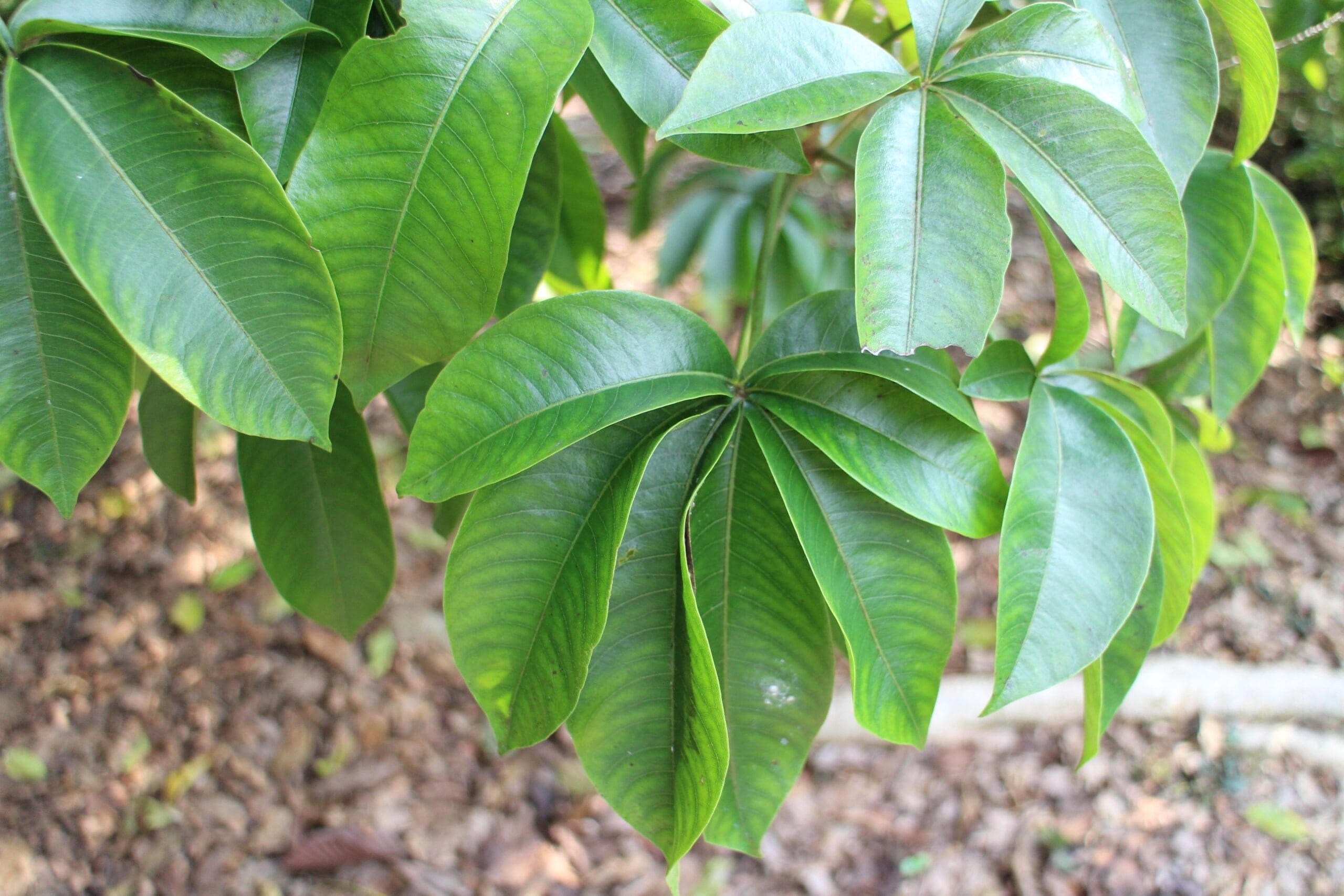
Habit & Habitat: A medium-tall tree growing 10 to 20 meters tall with smooth,
yellowish-grey to greyish-brown bark. It features a dense canopy of thick, glossy,
and leathery dark-green leaves.
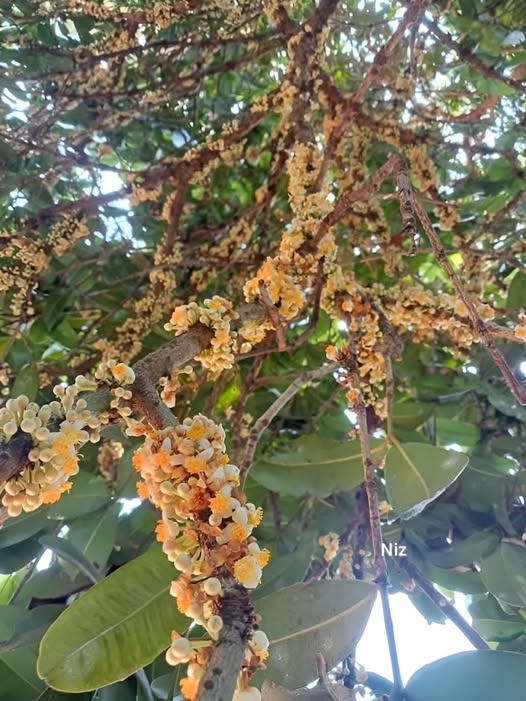
Flowers: The flowers are the plants most defining feature. They are white, strongly
aromatic, and consist of 4 to 6 petals packed with a striking mass of yellow stamens
in the centre. They typically bloom in the summer and are known to grow directly
on the older bark or branches.
Fruit: The tree bears small, fleshy, obliquely ovoid berries. They are green when
young and ripen to a yellowish-orange colour, containing 1 to 4 seeds
Uses: Traditional Attars: The dried male flowers are a highly valued floral product. They
are traditionally distilled with a sandalwood base to create rich, long-lasting, natural attars.
Modern Extraction: Modern cosmetic science uses Supercritical Fluid Extraction (SFE) with on dried Surangi flowers to isolate volatile oils without thermal
degradation. These extractions are rich in aromatic compounds like farnesene and
geraniol, which provide a deep, sophisticated floral note to premium perfumes and
body mists.