
listen about me
Scientific Classification
Kingdom : Plantae
Division : Magnoliophyta
Class : Magnoliopsida
Order : Fabales
Family : Caesalpinaceae
Genus : Saraca
Species : asoca
Scientific Name : Saraca asoca Roxb.
Seeta Ashok
Botanical Name: Saraca asoca Roxb.
Family: Caesaslpiniaceae
Common Name: English: Ashoka Tree; Hindi: Sita Ashoka, Vand Ichitra; Marathi: Ashok,
Jasundi, Seeta Ashoka
Distribution:
Ashoka tree is native to the Indian subcontinent and its surrounding regions in moist, semi-evergreen forests, and along riverbanks.
Description:
Habit and Habitat: Terrestrial, grows at an altitude of 750 m above the sea level6 and in fertile and semi-fertile soil. Height up to 9-10mts. Perennial, which can range from dark green to greyish green in colour.
Distribution: It is found all over Indian subcontinent. Native to the Western Ghats
and Deccan plateau. It also found in central and Eastern Himalayas.
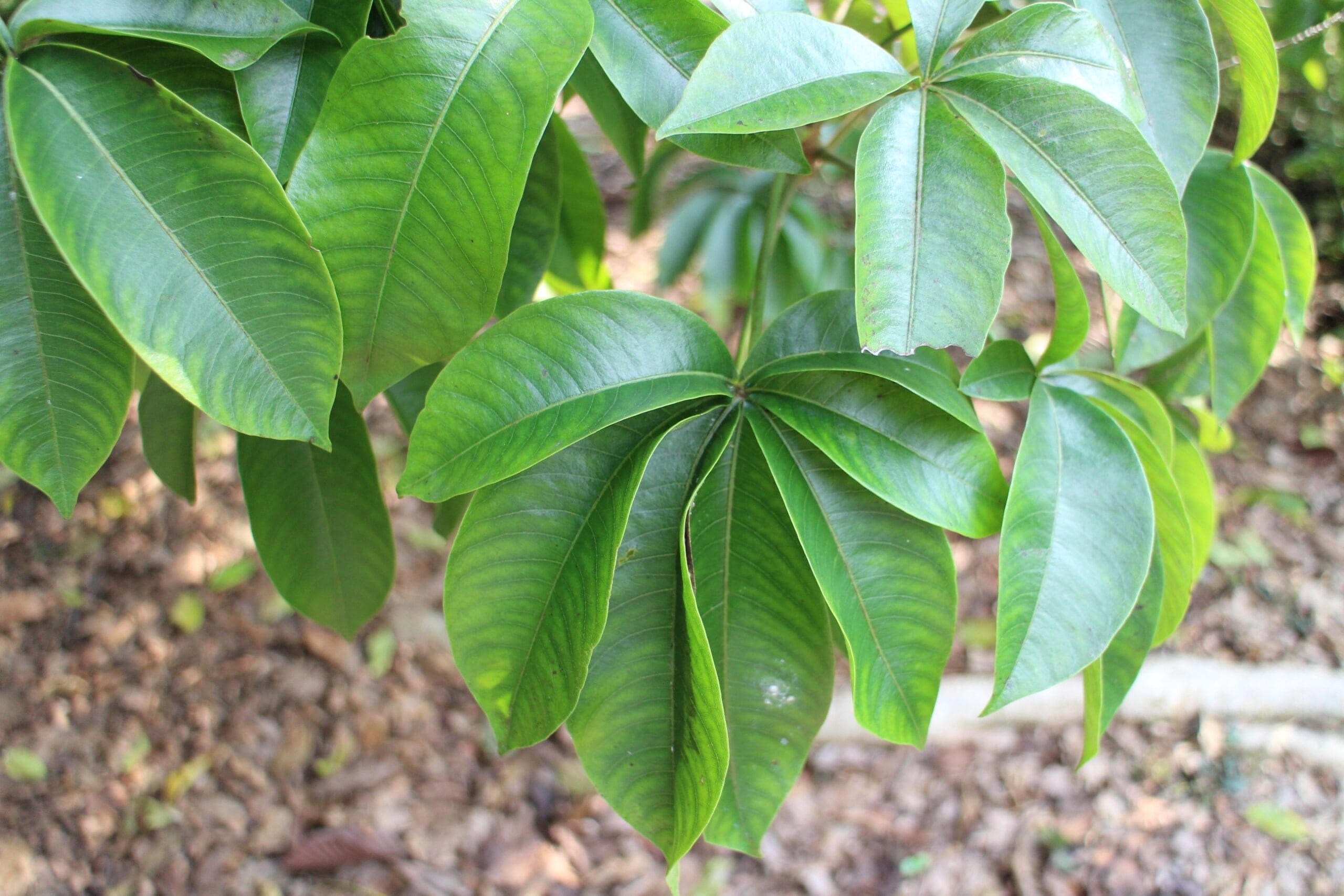
Morphology: Leaf: It is a Paripinnately Compound leaves, alternate, distichous and 7-30 cm long and its petiolule 0.1-0.6 cm long and opposite leaflets, 4-6 pairs, narrow elliptic-oblong or lanceolate, and its apex acute to acuminate, base acute to rounded or subcordate, glabrous, midrib raised above and tertiary nerves reticulate.
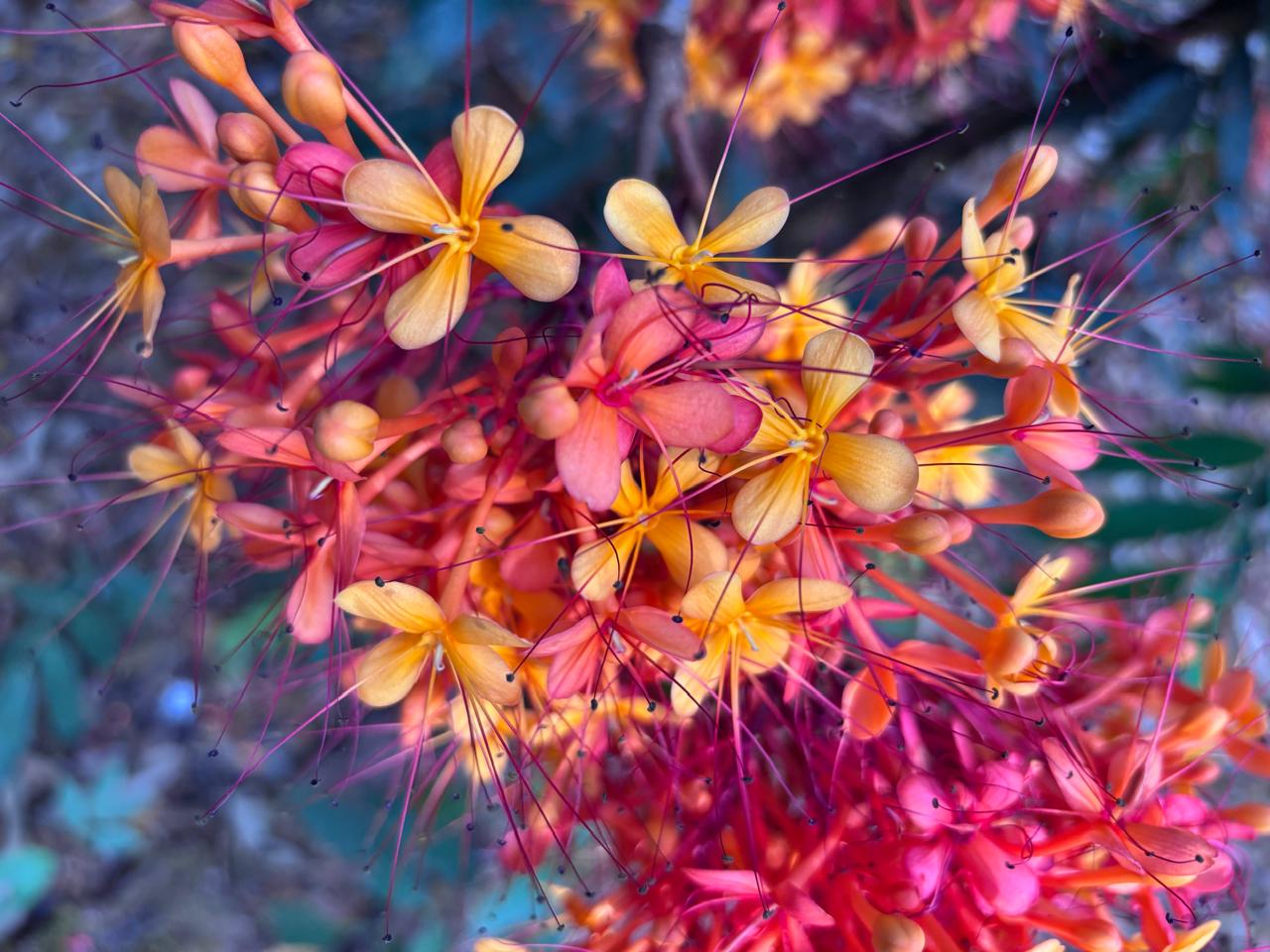
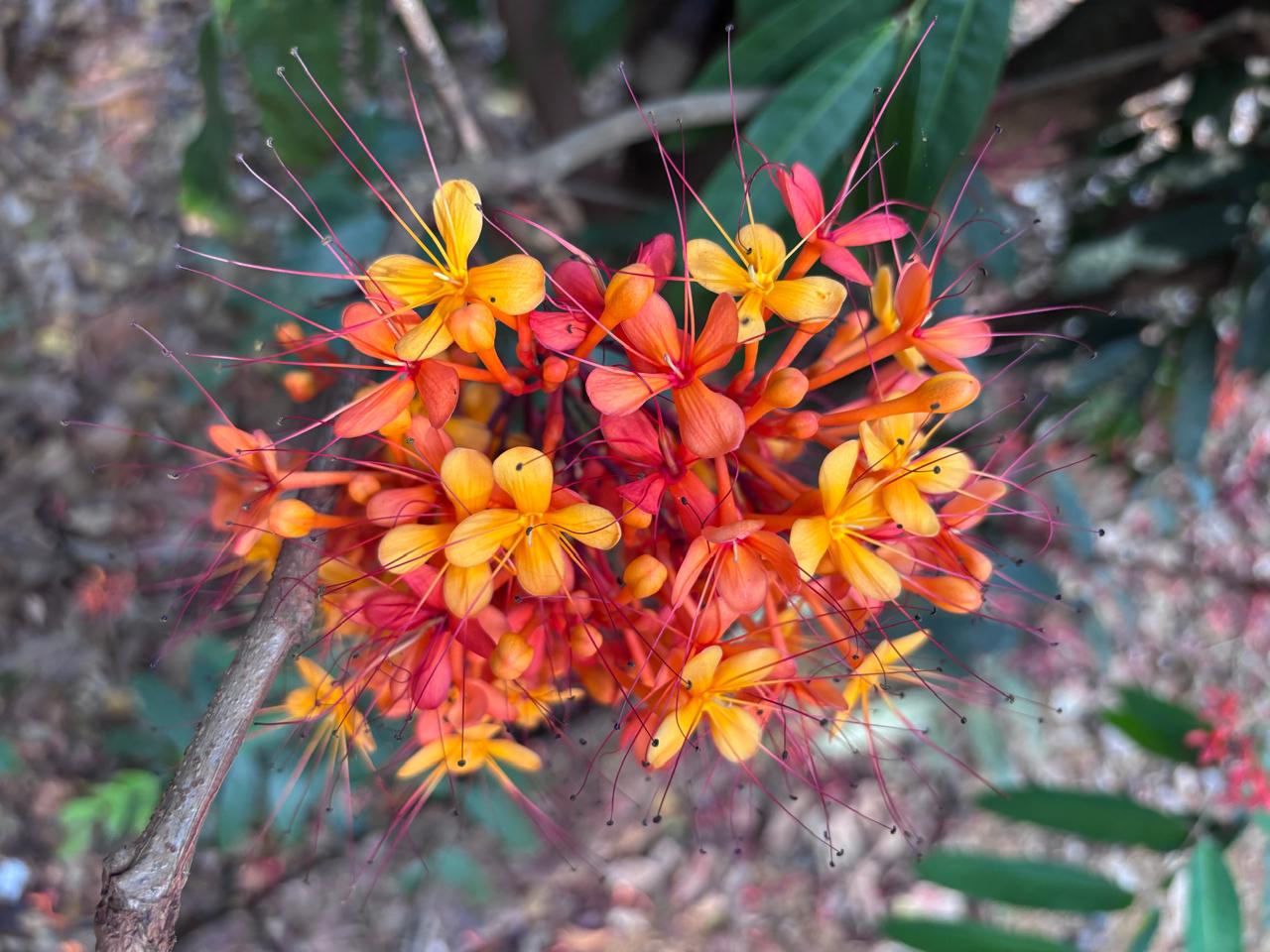
Inflorescence: Dense Corymbs Flower: Bracteate, brateolate, Calyx small petaloid, Corolla tube long, 5 petals. Androecium: 10 stamens, long, yellow at the base red at tapering ends, bilobed.
Gynoecium: Ovary superior, many ovules, style long, stigma very small.
Fruit: Pod, compressed, oblong, about 15cms long, dehisce longitudinally.
Seeds: obovate-orbiculate.
Propagation: Through seeds.
Uses: Grown as ornamental tree in gardens. Highly Medicinal valued. It is anti-microbial, anti-ulcer, anti-oxidant, anti-cancerous, larvicidal activity, anti-inflammatory, anti-diabetic,
anti-helminthic.