
listen about me
Scientific Classification
Kingdom: Plantae
Phylum: Tracheophyta (Vascular plants)
Class: Magnoliopsida (Dicotyledons)
Order: Magnoliales
Family: Annonaceae (Custard-apple family)
Genus: Miliusa
Species: tomentosa
Scientific name- Miliusa tomentosa
OM, HUM
Botanical Name: Miliusa tomentosa L.
Family: Annonaceae
Common Name: Marathi- Om, Hum, Humb; English- Woolly Miliusa or Hoom
Distribution:
Hum is common in tropical dry deciduous and tropical moist deciduous forests. It is a notable floral component of both the Western Ghats and Eastern Ghats ranges in India.
Description:
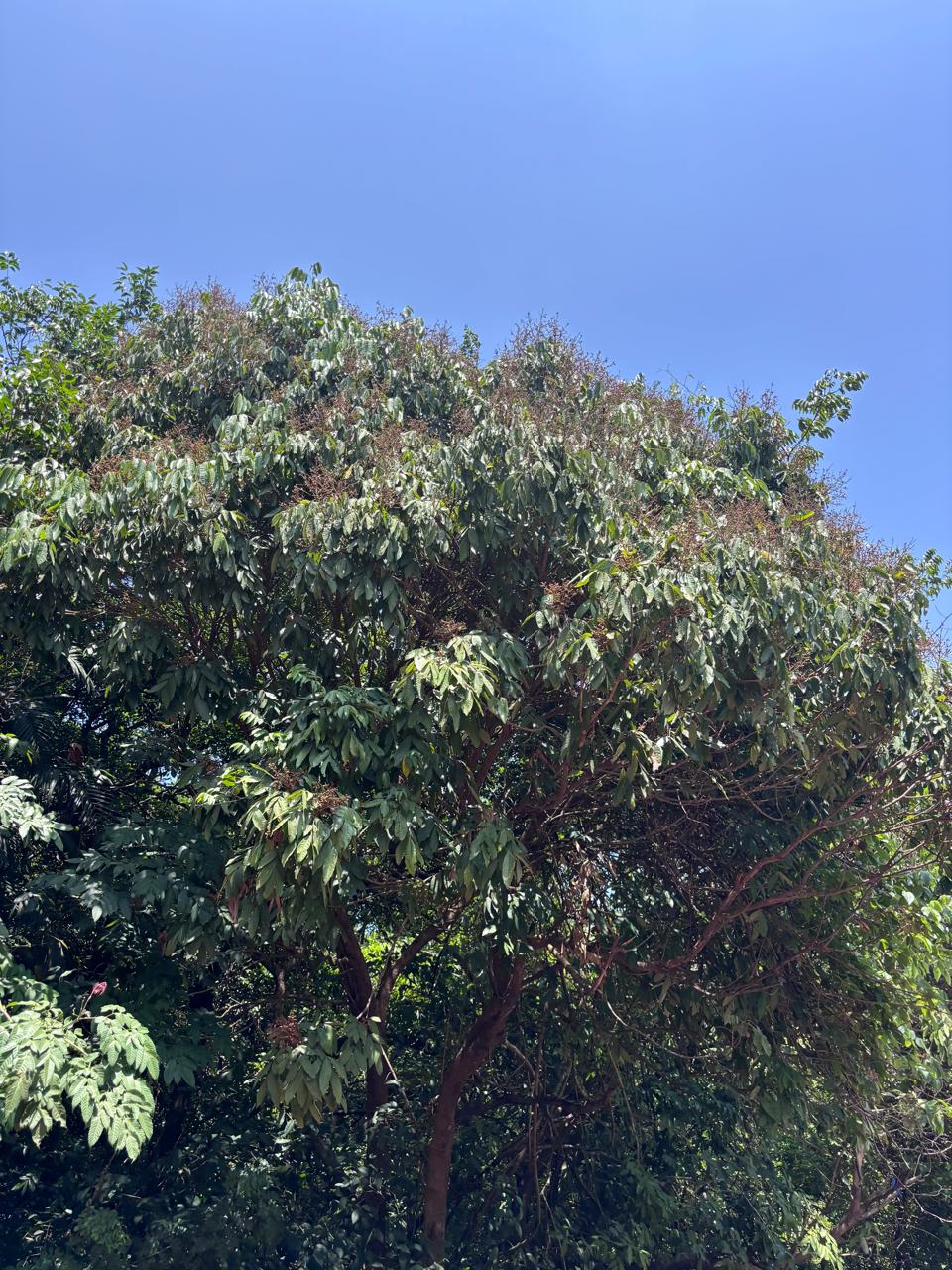
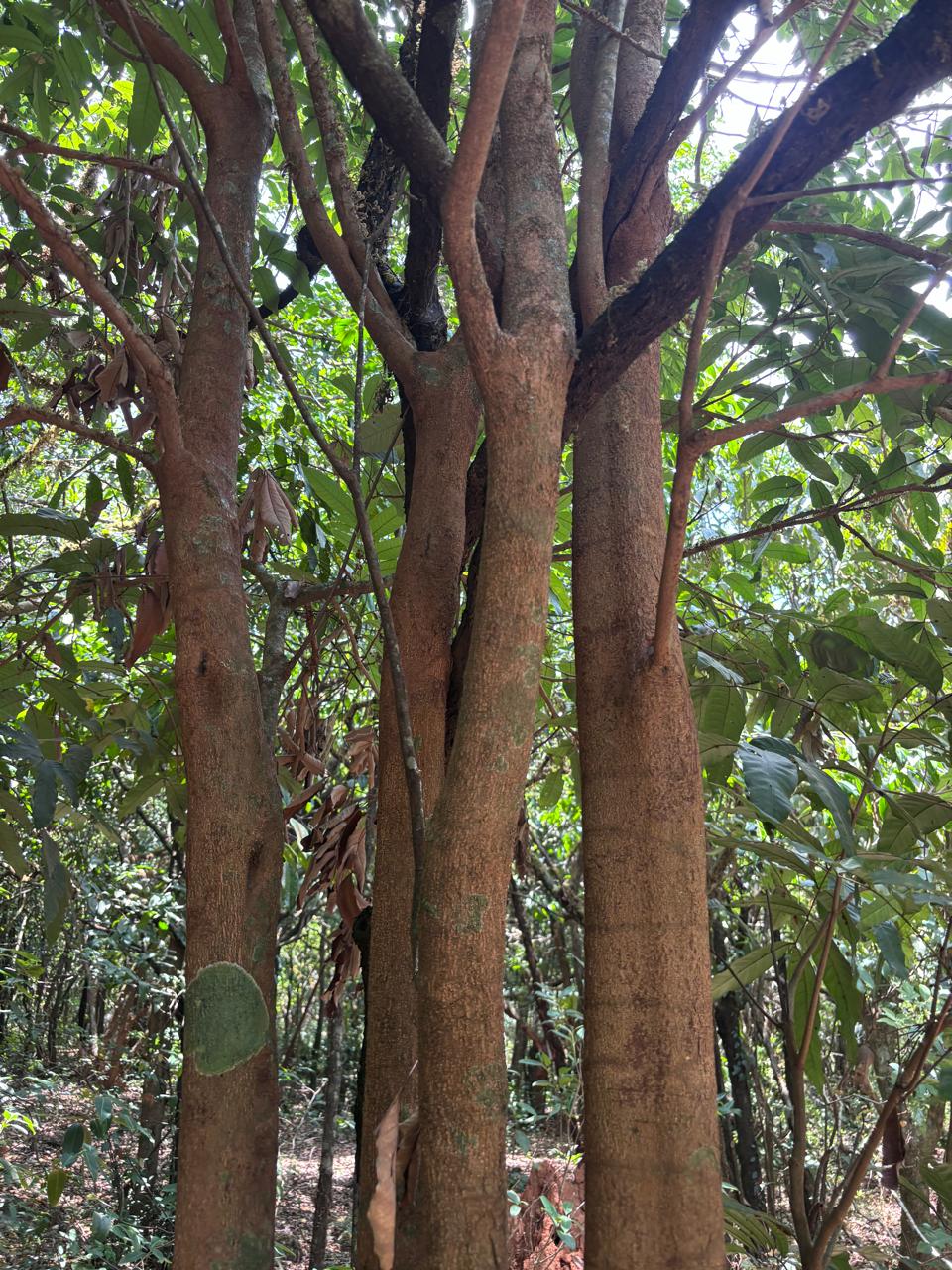
Habit: Grows primarily in seasonally dry tropical and deciduous forests as a large tree or shrub, reaching heights of 15 to 20 meters. The bark is dark blackish-brown and deeply fissured.
Leaves: Alternate, ovate-oblong, and typically 6 to 12 centimeters long. They are often covered in fine, woolly or velvety hairs, giving the tree its specific epithet (tomentosa).
Flowers: Small, greenish-yellow, or sometimes greenish-red. They bloom in solitary or paired clusters from March to June and release a distinct, heady aroma.
Fruits: The berries (monocarps) grow in rings and turn a succulent, dark glossy purple
or maroon colour when ripe.
Uses:
Skin and Wound Care: Traditional tribal communities often use leaf pastes to treat
skin disorders, cure wounds, and reduce post-delivery swellings.
Pain and Inflammation: Bark decoctions and topical oil extracts are utilized in
traditional pharmacies to relieve rheumatic pains, muscle aches, and oral sores.
Digestive Health: Bark and root decoctions are frequently employed as folk
remedies to ease constipation and dysentery.