
listen about me
Scientific Classification
Kingdom: Plantae
Phylum: Tracheophyta (Vascular plants)
Class: Magnoliopsida (Dicotyledons)
Order: Gentianales
Family: Apocynaceae
Genus: Tabernaemontana
Species: Tabernaemontana alternifolia
NAGKUDA
Botanical Name: Tabarnaemontana heyniana Wall.
Family: Apocynaceae
Common Name: Marathi- Nagkuda; English- Alternate-Leaved Crape Jasmine
Distribution:
Nagkuda is primarily concentrated in the Southern Western Ghats, spanning the state of Kerala across all districts and extending north into the Karnataka and Maharashtra Sahyadri.
Conservation status– Near Threatened (NT) on the IUCN Red List
Description:
Habit: Grows as a small tree or woody shrub up to 8 meters tall, exuding a milky white latex when cut.
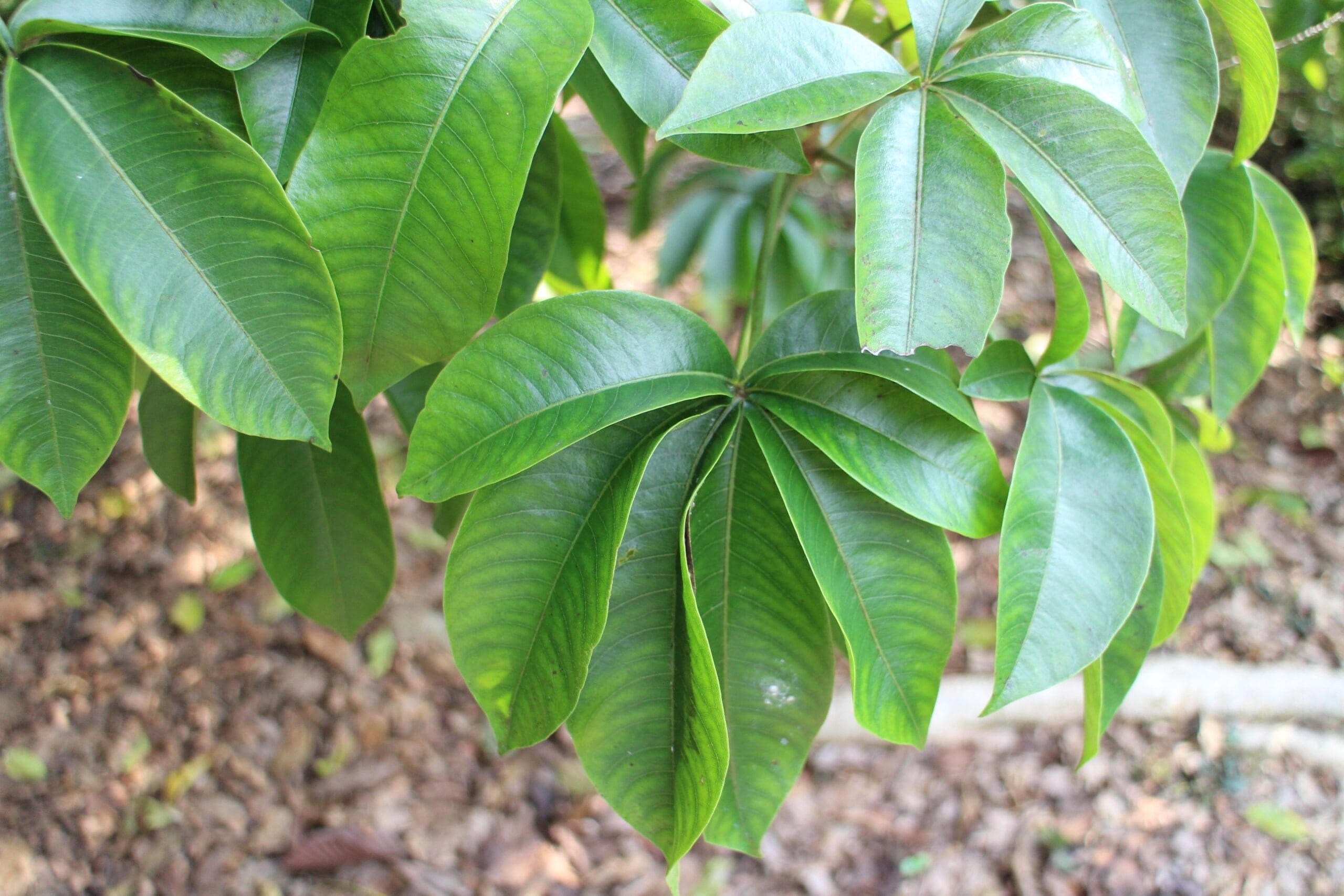
Leaves: Alternate or opposite, narrow-elliptic to elliptic-oblong (10–25 cm long), with an acute base and a sharp, elongated apex (caudate-acuminate).
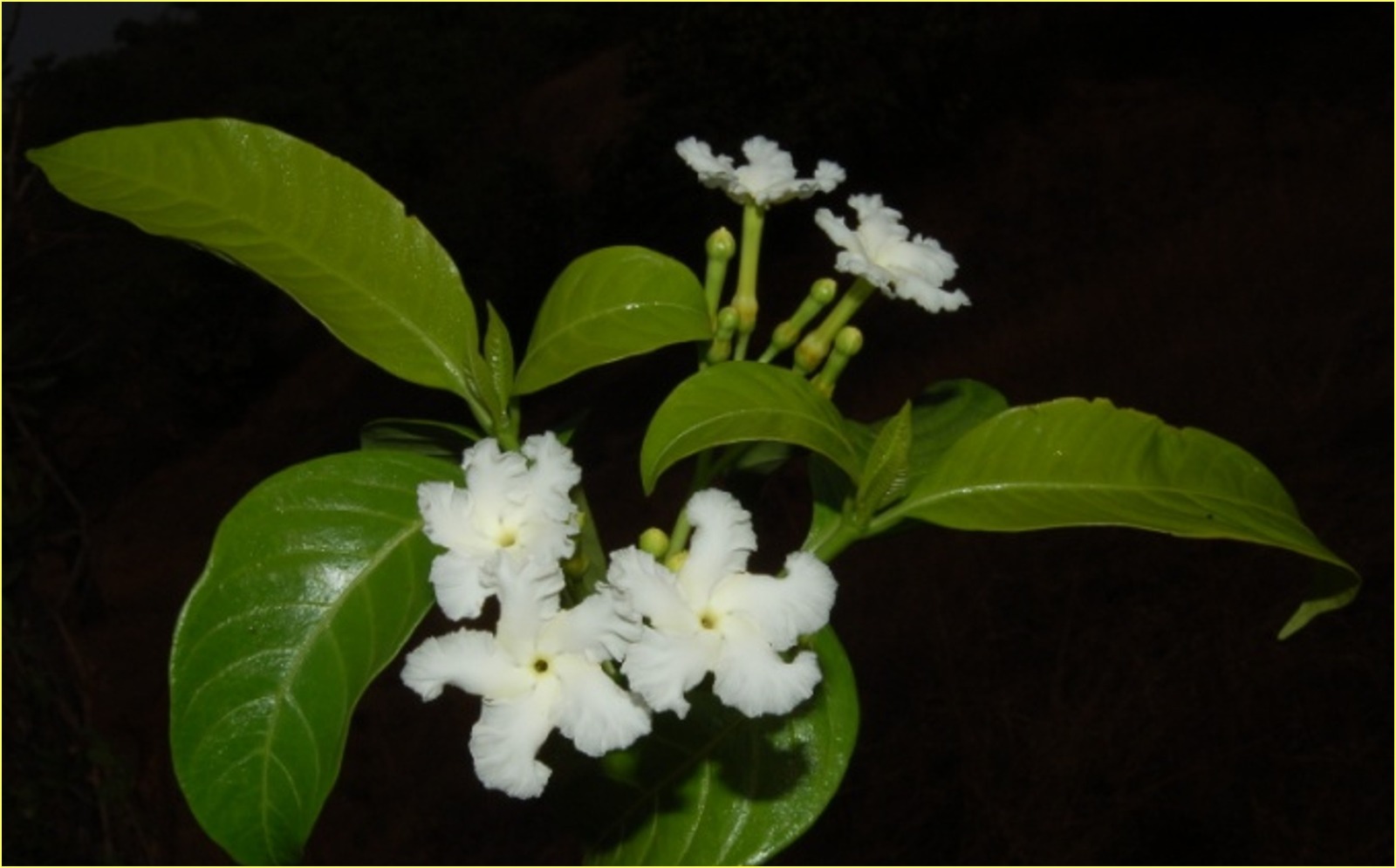
Flowers: Borne in terminal or axillary cymes. They are highly fragrant, featuring a
narrow corolla tube (approx. 2.5 cm) that flares into a flat, 5-lobed white flower.
Fruits & Seeds: Produces striking boat-shaped, orange-yellow capsule pods (up to 5 cm) that contain seeds surrounded by a bright red aril
Uses:
Ocular Health: In Ayurveda, fresh leaf extracts are traditionally prepared as an eyewash or eye drops to soothe redness, relieve conjunctivitis, and treat early symptoms of cataracts or blepharitis.
Antimicrobial Applications: The bark and leaf extracts demonstrate antibacterial
properties and are traditionally used to treat skin infections, including MRSA.
Snakebite Relief: Pharmacological studies have investigated the root bark as a traditional antidote for Naja naja (Indian cobra) venom, showing promise in
neutralizing venom toxicity and edema.