
listen about me
Scientific Classification
Kingdom: Plantae
Clade: Tracheophytes
Clade: Angiosperms
Clade: Eudicots
Clade: Asterids
Order: Ericales
Family: Symplocaceae
Genus: Symplocos
Species: S. racemosa
Scientific Name: Symplocos racemosa Roxb.
DHAMA LODHRA
Botanical Name: Symplocos racemosa Roxb.
Family: Symplococeae
Common Name: English: Hemispheric rose-apple; Marathi: Dhama, Lodhra, Lodh, Lenda
Distribution
It is native to the Indian subcontinent and Southeast Asia, including Myanmar, Sri Lanka, Bangladesh and the Andaman Islands
Conservation status– Endangered or Critically Endangered
Description:
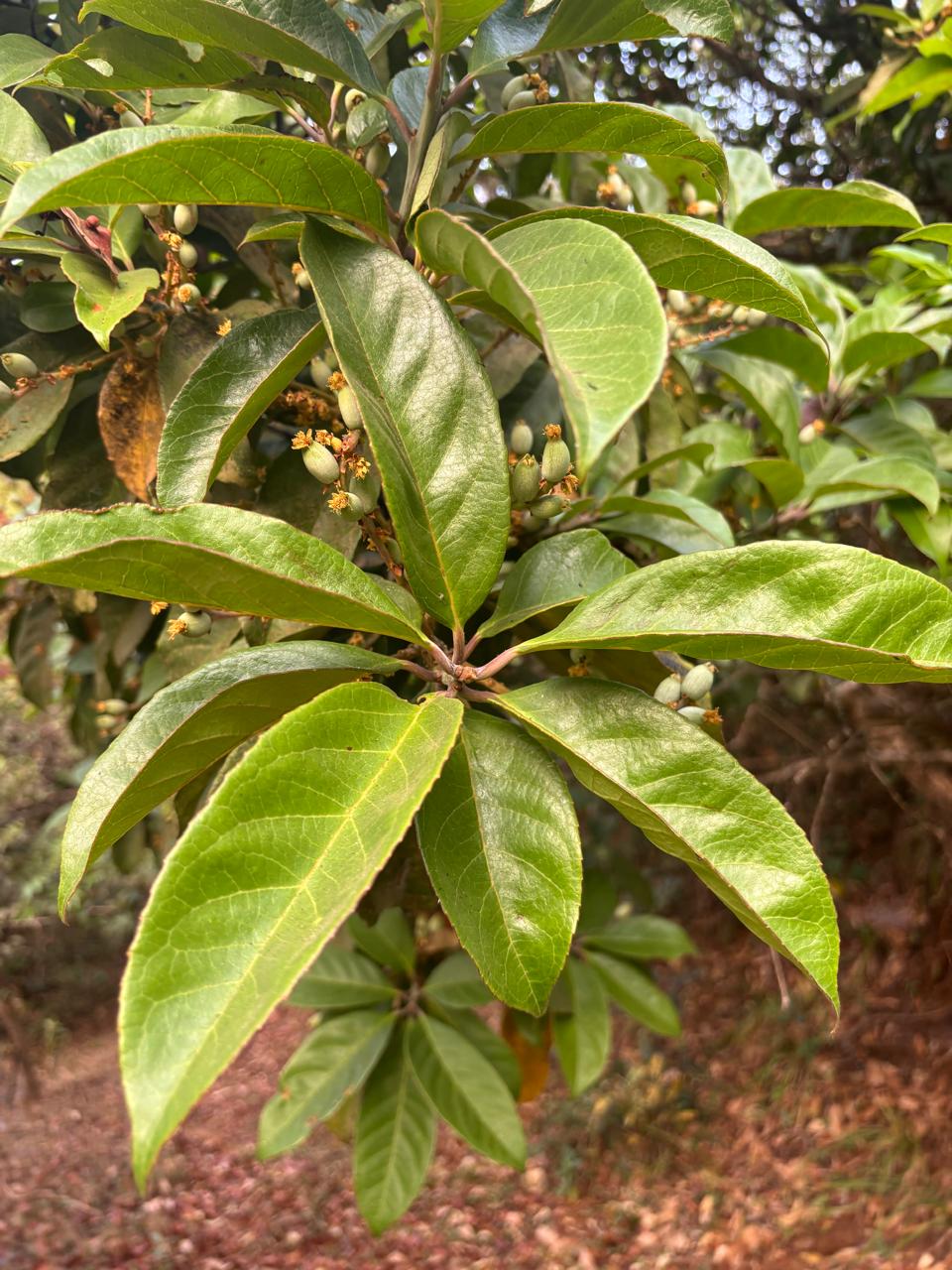
Habit: An evergreen shrub or small to medium-sized tree, typically growing 8 to 10 meters in height. The young branchlets and twigs are often pubescent, hairy.
Bark: Smooth with a light grayish-brown or light brown color. Its stem bark is thick greyish-brown, warty, and rough on the exterior
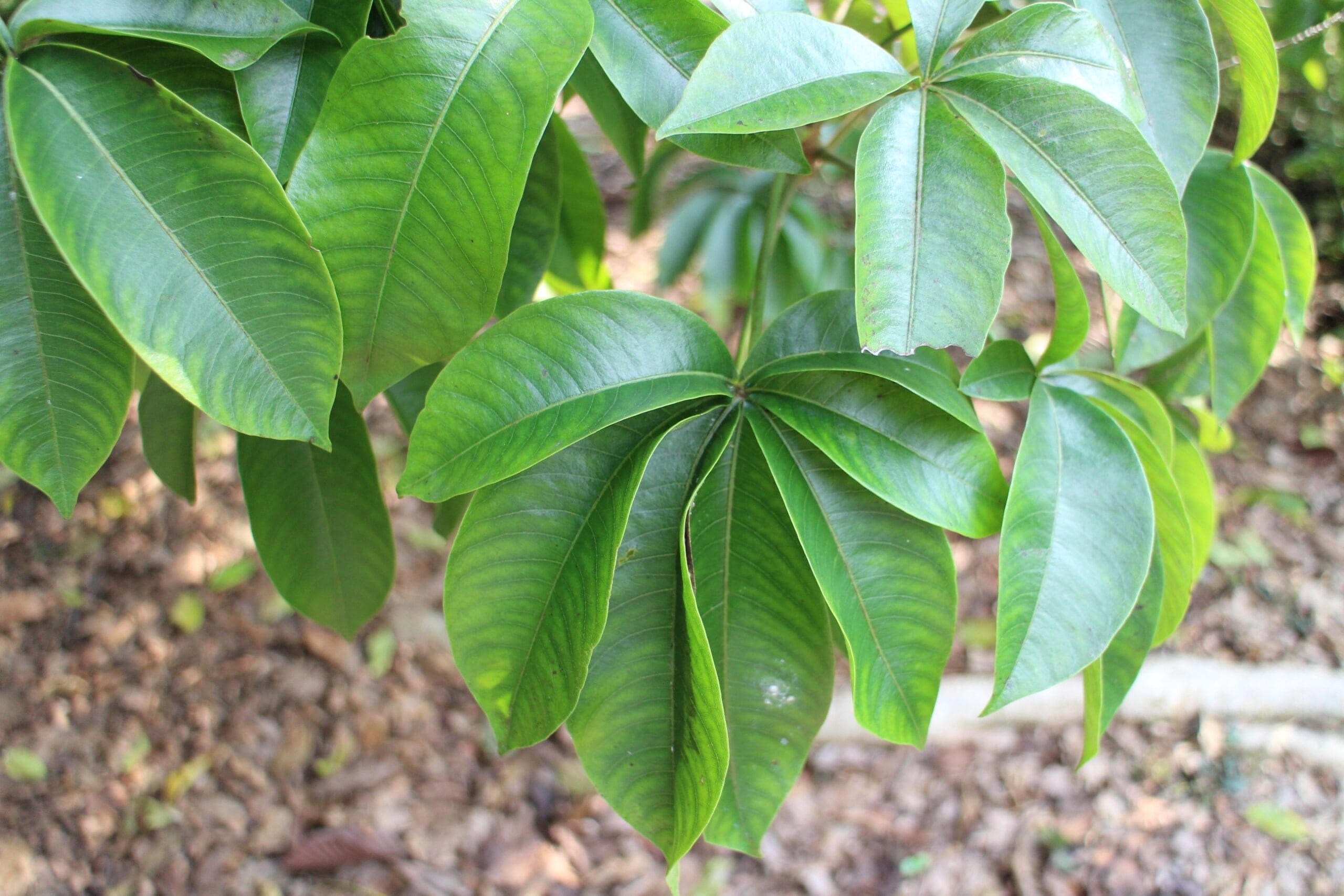
Leaves: Simple, alternate, leathery, and shiny, measuring roughly 7 to 15 cm long. They
are elliptic or lance-shaped with pointed or tapering tips and finely toothed margins.
Young leaves often feature a distinct pale brown or yellowish pubescence.
Flowers: Small, fragrant, cream or greenish-white in color, blooming in dense spikes or clusters. Flowering primarily occurs from late autumn through winter (November to
February).
Fruits & Seeds: The fruit is an oblong, leathery drupe that turns purple-blackish as it
ripens. Each drupe contains 1 to 3 oblong seeds
Uses: Gynecological Health: Traditionally used as a uterine tonic to help regulate menstrual
cycles, treat menorrhagia (heavy bleeding), and alleviate leucorrhoea.
Skincare: Ground bark powder or extract is used in cosmetic and dermatological
formulations to manage acne, wrinkles, and promote a clear complexion due to its anti- inflammatory and mildly antimicrobial properties.
Digestive & Liver Health: The bark’s astringent nature makes it a classical remedy for
diarrhea, dysentery, and liver complaints
Ecological Importance- It provides vital understory cover, supports pollinators via its
nectar-rich flowers, and is a key soil-enriching hyper accumulator of aluminum,
contributing unique nutrient cycling within subtropical and tropical forest ecosystems